Cat Flowers Glass Jar Watercolor Clipart Review
As a designer who spends more time behind an embroidery machine than a computer screen, I approach digital assets with a healthy dose of skepticism. Beautiful screen art does not always translate to beautiful stitching. When I first encountered the Cat Flowers Glass Jar Watercolor Clipart, my immediate reaction was one of cautious optimism. The aesthetic is undeniably charming, evoking a soft, cottage-core nostalgia that is currently dominating the handmade market. However, for those of us creating tangible goods, the question isn't just "Is it pretty?" but rather "Will this survive the digitizing process and look professional on fabric?" After evaluating this illustration through the lens of real-world production, here is my practical assessment for fellow makers and shop owners.
Translating Watercolor Whimsy to Stitch
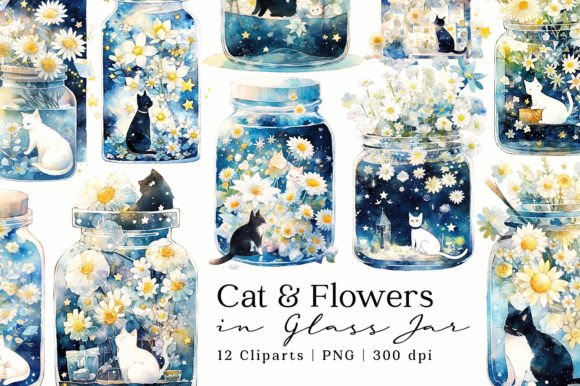
The visual personality of this design leans heavily into organic softness. The interplay between the feline subject and the floral elements inside a glass jar creates a contained, balanced composition. For an embroidery project, this containment is actually a significant advantage. Unlike sprawling botanical designs that can lose their shape on stretchy fabrics, the jar silhouette provides a natural boundary. This makes the Cat Flowers Glass Jar Watercolor Clipart particularly suitable for digitizing into a satin stitch border or a defined running stitch outline that anchors the softer fill stitches within.
In a recent test scenario, I evaluated this artwork for a line of custom embroidered tote bags intended for a spring boutique collection. The goal was to create a personalized gift that felt high-end rather than craft-fair generic. The watercolor style presents a specific challenge: gradient shading. In digital illustrations, color blends seamlessly. In machine embroidery, we must replicate this with thread colors and stitch density. This specific clipart succeeds because the color transitions are distinct enough to be interpreted into clear stitch regions without becoming muddy. When digitized correctly, the glass effect can be achieved with low-density fill stitches or negative space, allowing the fabric texture to contribute to the transparency illusion. This level of intentionality in the source art saves hours of editing time later.
Best Applications for Commercial and Personal Use
Based on the layout and detail level, this design asset shines brightest in specific applications. It is not a universal solution for every product in your shop, but where it fits, it elevates the perceived value significantly.
- Nursery Decor and Baby Embroidery: The gentle theme makes this ideal for baby blankets, bibs, and nursery pillows. The rounded edges of the jar and cat prevent any sharp points that could scratch delicate skin, a crucial safety consideration for baby embroidery.
- Kitchen and Home Textiles: Tea towels and aprons are natural homes for this motif. The vertical orientation of the jar fits perfectly within the standard hoop size constraints of these items without requiring excessive re-hooping.
- Sweatshirt Embroidery: Placed on the left chest or centered on a crewneck, this design offers a trendy, vintage vibe. The contained shape prevents the "bulletproof vest" effect that dense, large-scale embroidery can sometimes cause on apparel.
- Etsy Seller Mockups: Beyond physical stitching, the clean lines of this illustration make it excellent for printable mockups. If you sell digital embroidery files or custom listings, this art communicates quality instantly to buyers scrolling through search results.
For small business owners, the versatility here supports brand consistency. You could use the full Cat Flowers Glass Jar Watercolor Clipart on a tote bag design and isolate just the floral element for matching packaging stickers or thank-you cards. This cohesive visual language builds customer trust and recognition.
Technical Limitations and Fabric Warnings
While the artistic merit is high, practical application requires caution. Not every fabric is a friend to watercolor-style embroidery. I strongly advise against using this design on highly textured fabrics like terry cloth or thick fleece unless you plan to add a knockdown stitch layer. The fine details of the cat’s features and the delicate flower petals will get lost in the pile, resulting in a finished product that looks unfinished or amateurish.
Stretchy fabrics also demand respect. If you are attempting sweatshirt embroidery or working with jersey knits, the stabilizer choice is non-negotiable. The glass jar element likely contains straight vertical lines; if your fabric shifts during stitching due to inadequate stabilization, those lines will warp, destroying the illusion of glass. Always test on scrap fabric first. Additionally, be wary of dark fabrics. Watercolor aesthetics rely on light passing through color. On black or navy material, you will need to stitch a white underlay base, which increases stitch density and changes the hand-feel of the garment. For this specific design, light neutrals, pastels, and natural linens yield the most faithful reproduction of the original art.
Small hoop sizes present another hurdle. While the design is contained, reducing it too far to fit a 4x4 hoop may compromise the cat's facial expression. Eyes and whiskers require a minimum stitch length to register clearly. If you must scale down significantly, consider simplifying the internal details or converting the piece to an applique design where the fabric provides the detail rather than the thread.
Designer Notes for Production Success
Before you load this file into your software or machine, run through this practical checklist to ensure your commercial embroidery or personal project meets professional standards:
- Verify Licensing Terms: Never assume usage rights. Confirm whether the license covers finished physical products, digital embroidery file sales, or both. Protecting your craft business starts with respecting intellectual property.
- Audit Stitch Density: Watercolor styles can become bulletproof if over-digitized. Aim for lighter coverage to maintain fabric drape, especially on apparel. Check if the digitizer used blending techniques appropriate for your machine's capabilities.
- Thread Color Matching: Digital RGB colors rarely match polyester or rayon threads perfectly. Create a physical thread chart comparison before running a final sample. The mood of this design relies on muted, harmonious tones; neon or overly saturated threads will clash with the watercolor intent.
- Test Wash Durability: If creating tea towels or baby items, wash your test sample aggressively. Fine running stitches used for whiskers or glass highlights can pull out if not properly locked. Ensure the digitization includes adequate tie-ins and tie-offs.
- Evaluate Contrast: View your test stitch-out from a distance of three feet. Does the cat read clearly against the jar? Does the jar read against the fabric? If the answer is no, adjust your thread values. Subtlety is beautiful, but invisibility is a waste of time.
The Cat Flowers Glass Jar Watercolor Clipart represents a strong intersection of trend-aware art and functional design potential. It avoids the chaotic clutter that plagues many novelty illustrations, offering instead a focused, emotive image that resonates with current buyer preferences. For the experienced maker, it serves as a reliable foundation for products that feel both personal and polished. Whether you are expanding your Etsy listings, refreshing your boutique inventory, or crafting a meaningful personalized gift, this design rewards careful execution. Treat it with the technical respect it deserves, and it will deliver a finished product that customers cherish and competitors notice. Remember, the best embroidery doesn't just copy an image; it reinterprets it for a new medium, adding texture and warmth that pixels alone can never achieve.