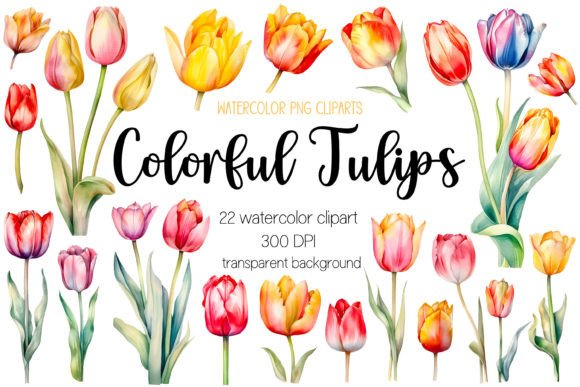
Colorful Watercolor Tulip Clipart Bundle Review
First Impressions: Translating Digital Art to Thread
As an embroidery designer who has digitized hundreds of floral motifs, I approach any new machine embroidery design with a healthy dose of skepticism. Digital art and stitched art are two different languages, and not every illustration translates well when converted from pixels to thread. When I first opened the Colorful Watercolor Tulip Clipart Bundle, my immediate focus was on the edge definition and color blending. Watercolor styles are notoriously tricky in embroidery because they rely on soft gradients that satin stitches can sometimes render too harshly.
However, this bundle surprised me. The illustrations possess a visual personality that feels organic rather than rigid. The shapes have enough distinct separation between petals and leaves to suggest where a digitizer should place color stops. For a craft business or Etsy seller, this is crucial. You aren't just looking for pretty pictures; you are looking for design assets that won't require twenty hours of re-digitizing to make them stitchable. The mood here is fresh and spring-like, making it an ideal candidate for personalized gift items or boutique merchandise where customers expect a delicate, hand-painted aesthetic.
Real-World Application: Stitching the Tote Bag Test
To truly evaluate this bundle, I mentally walked through a recent client project: a custom canvas tote bag design for a local florist’s spring promotion. Canvas is unforgiving; it has a coarse fabric texture that can swallow fine details. I selected one of the fuller tulip compositions from the bundle to see if it could hold its own against the heavy weave.
In this scenario, the Colorful Watercolor Tulip Clipart Bundle performed exceptionally well as a foundation for an applique design. Instead of trying to replicate every watercolor wash with dense fill stitch areas—which would have made the bag stiff and bulletproof—I used the clipart as a guide for placing lightweight cotton fabric appliqués. The digital file provided clear boundaries for the placement lines. I then used a lighter running stitch and sparse shading to mimic the watercolor effect over the fabric. The result was a professional, textured look that retained the artistic integrity of the original illustration without compromising the utility of the bag. This adaptability makes the bundle highly valuable for commercial embroidery projects where production speed and garment drape matter as much as aesthetics.
Navigating Fabric Limitations and Hoop Constraints
While these tulips are versatile, they demand respect for the medium. Through years of trial and error, I have learned that watercolor-style graphics require specific handling depending on the substrate. If you are planning sweatshirt embroidery or working with stretchy knits, you must be cautious. The intricate color transitions implied in these illustrations can lead to high stitch density. On a fleece sweatshirt, excessive density causes puckering and distortion.
I recommend using these designs primarily on stable, woven fabrics like linen, denim, canvas, or quilting cotton. For baby embroidery on onesies or bibs, select the simpler, single-stem variations from the bundle rather than the complex bouquets. Infant garments are small, and overcrowding the design area with dense watercolor shading can irritate sensitive skin or weigh down the garment. Always pair your chosen design with the correct stabilizer; a cut-away stabilizer is non-negotiable for knits to prevent the tulip stems from warping after washing.
Be equally mindful of your hoop size. It is tempting to shrink a large, detailed floral cluster to fit a 4x4 hoop, but doing so with watercolor art often results in muddy colors and lost definition. If your machine cannot accommodate the design at its intended scale, choose a smaller variation from the bundle rather than resizing a complex composition. Resizing changes stitch counts and can ruin the gradient effects that give these tulips their charm.
Elevating Product Value and Customer Perception
For small shop product owners and makers, the visual appeal of your listing photos directly correlates to sales. The Colorful Watercolor Tulip Clipart Bundle offers significant advantages here beyond just the physical stitching. Because these are high-quality illustrations, they serve double duty as printable mockup elements. Before I even thread my needle, I use these graphics to create digital previews for clients. This helps secure approval on color palettes and layout before committing to production.
When the final finished product matches the elegance of the digital preview, it builds immense customer trust. A poorly digitized flower looks amateurish and cheapens the perceived value of a handmade item. Conversely, a tulip that captures the translucency and flow of watercolor suggests high-end craftsmanship. Whether you are creating holiday embroidery for Easter, wedding favors, or everyday apparel, the sophistication of this bundle signals professionalism. Buyers recognize the difference between generic clipart and thoughtful art, and they are willing to pay a premium for the latter.
Essential Designer Notes for Successful Execution
Before you load this digital embroidery file into your machine for a paid order, please adhere to these practical guidelines derived from professional experience:
- Test Stitch First: Never run a new design directly on a client’s garment. Stitch out the tulip on a scrap of the exact fabric you intend to use. Check how the thread colors interact with the fabric dye.
- Verify Licensing: While this bundle is excellent for custom apparel and physical products, always confirm the specific license terms regarding digital resale or sharing. Protect your business by ensuring you have the right to use the assets as intended.
- Check Contrast: Watercolor designs often use pastel tones. Test the design on both light and dark backgrounds. You may need to add a white underlay or adjust thread shades to ensure the tulips pop on navy or black fabric.
- Inspect Small Details: Zoom in on the digital file to identify tiny elements that might become thread nests. If a petal tip is thinner than 2mm, consider editing it out or converting it to a manual stitch to prevent needle breaks.
- Mockup in Black and White: View the design in grayscale before stitching. This reveals whether the design relies solely on color for definition or if it has strong structural value. Good embroidery should read well even without color.
- Confirm File Compatibility: Ensure the embroidery file format matches your machine. Do not assume all formats retain the same stitch data during conversion.
Final Verdict for Makers and Entrepreneurs
The Colorful Watercolor Tulip Clipart Bundle is more than just a collection of pretty flowers; it is a functional tool for serious creators. It bridges the gap between digital artistry and tangible textile craft. For the Etsy seller looking to refresh their spring lineup, or the hobbyist wanting to create a meaningful embroidered patch for a garden club jacket, this bundle offers reliable beauty.
Success lies in respecting the translation process. Treat these illustrations as a blueprint rather than a rigid instruction manual. Adapt the density to your fabric, honor the scale of your hoop, and leverage the artwork for both production and marketing. When approached with technical mindfulness, these tulips bloom beautifully in thread, adding genuine value to your handmade product line and delighting customers who appreciate the intersection of art and craft.