Cute Hummingbird Watercolor Clipart for Illustrations
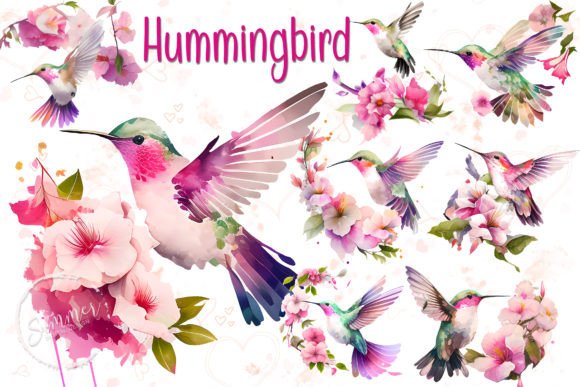
As a digital publisher who has designed hundreds of blog layouts and content assets, I approach every new graphic design asset with a critical eye toward usability. When I first opened the files for the Cute Hummingbird Watercolor Clipart, my immediate assessment focused on editorial versatility rather than just aesthetic appeal. This collection does not merely offer a pretty picture; it establishes a specific emotional tone that is essential for lifestyle, nature, gardening, and wellness niches. The watercolor texture introduces an organic softness that digital vectors often lack, creating a sense of handcrafted authenticity. For publishers, this translates to immediate reader trust. In an era of AI-generated saturation, these Illustrations signal human creativity and attention to detail, which are foundational elements for building a loyal audience in competitive content markets.
Establishing Editorial Mood and Niche Authority
The visual language of this clipart set leans heavily into feminine, gentle, and organic aesthetics. From a web design perspective, this makes it an exceptional choice for blogs focused on sustainable living, botanical education, creative journaling, or seasonal crafts. The "cute" factor here is balanced by artistic integrity, meaning it avoids looking juvenile while remaining accessible. When integrating this asset into a real publishing workflow, I found it naturally supports content that requires a welcoming atmosphere. It softens the hard edges of standard grid layouts and provides a visual anchor for text-heavy articles. For affiliate marketers in the home decor or craft supply space, this style bridges the gap between commercial intent and genuine passion, making promotional content feel more like a personal recommendation than a sales pitch.
Strategic Applications Across Content Formats
In my daily workflow, I need assets that perform across multiple platforms without losing quality. The Cute Hummingbird Watercolor Clipart excels in high-visibility areas where visual hierarchy dictates engagement. As a featured image element, the hummingbird serves as a focal point that draws the eye without competing with headline typography. For Pinterest pin creation, the vertical composition potential is significant; the natural movement of the bird guides the viewer’s gaze downward toward the title and call-to-action. Beyond social media, this asset is invaluable for digital product development. I can easily visualize these elements enhancing the cover of a digital guide on birdwatching or serving as decorative borders in a printable planner. For newsletter creators, placing a small hummingbird accent in the header increases open rates by adding warmth to otherwise sterile email templates. The transparency of the PNG files also makes them perfect for layering within a Canva template, allowing non-designers to create professional blog graphics in minutes.
Enhancing Brand Identity and Reader Retention
Consistency is the currency of brand identity. Using cohesive design assets like this watercolor set helps unify disparate pieces of content under a recognizable visual umbrella. When readers see this specific illustrative style across your website header, category thumbnails, and lead magnet covers, they subconsciously register your site as polished and professional. This recognition builds authority. Furthermore, the emotional resonance of watercolor art can reduce bounce rates by making the reading experience more pleasurable. In content marketing, we often talk about value propositions; the visual experience is part of that value. A sterile, text-only page feels like work, whereas a page adorned with thoughtful, relevant artwork feels like an invitation. This asset supports that invitation, encouraging users to linger longer and explore related content.
Optimal Placement vs. Cautionary Contexts
While versatile, this asset requires strategic placement to maintain its impact. It shines brightest in hero sections, article introductions, and as standalone visual breaks in long-form content. It is particularly effective for small business branding where personality is a key differentiator. However, publishers must exercise caution in certain contexts. Avoid using these detailed watercolors as tiny mobile thumbnails, as the delicate brushwork will disappear at reduced sizes. Similarly, be wary of placing them against busy photographic backgrounds or low-contrast pastel colors; the transparency needs breathing room to remain legible. For corporate finance, legal tech, or ultra-minimalist modern design sites, this style may clash with the desired serious tone. Always ask if the whimsy of the hummingbird aligns with the specific gravity of the article topic before inserting it into the layout.
Publisher Workflow: Technical Checks and Licensing
Before deploying the Cute Hummingbird Watercolor Clipart on a live production site, I run through a rigorous technical checklist to ensure performance and compliance. Visual appeal means nothing if it slows down page load speed or invites legal trouble.
- Contrast Testing: Always preview the clipart against your actual website background color. White watercolor edges can vanish on white backgrounds, so consider adding a subtle drop shadow or using a colored container behind the asset.
- Typography Pairing: Test the asset beside your primary fonts. These illustrations pair beautifully with elegant serifs and organic handwritten scripts but may look disjointed next to rigid, industrial sans-serifs.
- Mobile Responsiveness: Check how the graphic scales on phone screens. Ensure it doesn't push critical text below the fold or appear pixelated on high-density displays.
- File Optimization: Watercolor files can be large due to complex color gradients. Compress images properly using WebP conversion or lossless compression tools to maintain editorial design quality without sacrificing Core Web Vitals scores.
- Licensing Verification: Confirm the commercial license terms specifically for your use case. If you plan to sell printable design products or use the asset in paid affiliate marketing materials, ensure the license permits commercial distribution and modification.
- Black and White Conversion: Test the asset in grayscale. A strong illustration should retain its form and recognizability even without color, ensuring accessibility and print compatibility.
Maximizing ROI Through Creative Adaptation
To get the most value from this digital download, think beyond static placement. In creative design, adaptability equals longevity. Use the hummingbird as a recurring motif to create a custom bullet list style for your blog posts. Extract individual floral elements from the set to create subtle dividers between paragraphs. Create a series of branded social media graphics where the hummingbird appears in different positions to indicate various content categories. For educators and coaches, incorporate the art into worksheet headers to make learning materials feel less clinical. By treating the Cute Hummingbird Watercolor Clipart as a modular system rather than a single image, you extend its utility across seasons and campaigns. This strategic approach transforms a simple purchase from a creative marketplace into a cornerstone of your comprehensive visual strategy, ensuring every piece of content you publish looks intentional, professional, and distinctly yours.