Funny Summer Ducks Watercolor Clipart 2: An Embroidery Review
As a professional embroidery designer and product reviewer, I approach every new digital asset with a critical eye toward stitchability. When evaluating Funny Summer Ducks Watercolor Clipart 2, my primary concern is not just how charming the illustration looks on a screen, but how it translates into thread on fabric. This specific design in the Illustrations category captures a whimsical, nostalgic summer mood that is currently trending in the handmade market. However, moving from a watercolor raster image to a functional machine embroidery design requires careful consideration of density, texture, and end-use application.
Translating Watercolor Whimsy to Thread
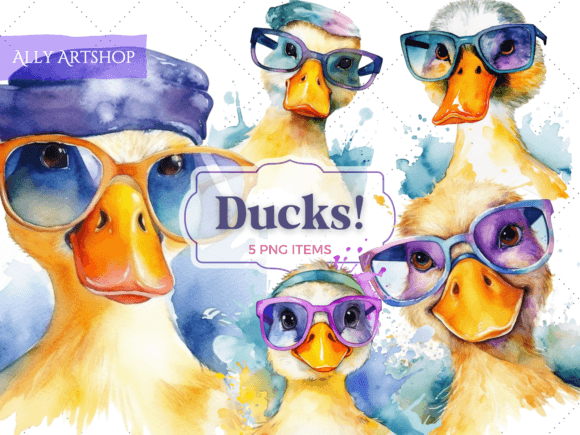
The first impression of Funny Summer Ducks Watercolor Clipart 2 is undeniably cheerful. The soft edges and playful character expressions suggest a design that belongs on items meant for joy and comfort rather than formal wear. From a digitizing perspective, this aesthetic presents both opportunities and challenges. Watercolor styles rely on color blending and soft gradients, which do not exist natively in embroidery. To replicate this look, the embroidery file must utilize complex fill stitches or layered thread colors to mimic the painted effect.
When reviewing this artwork for potential digitization, I look for clear separation between elements. If the duck’s outline blends too heavily into the background wash, creating a clean satin stitch border becomes difficult without losing the artistic integrity. For this particular clipart, the visual personality feels best suited for projects where a slightly organic, imperfect stitch-out adds to the charm rather than detracting from it. It naturally lends itself to nursery decor, baby embroidery, and lighthearted custom apparel rather than corporate branding or precision-heavy technical patches.
Real-World Application: The Custom Tote Bag Test
To truly evaluate the commercial viability of Funny Summer Ducks Watercolor Clipart 2, I mentally placed it onto a canvas tote bag project intended for a summer craft fair. Tote bags are a staple for Etsy sellers and small shop products because they offer a large, flat stitching area that accommodates detailed illustrations. In this scenario, the design serves as the focal point of a reusable shopping bag or beach carryall.
For a tote bag design, the scale allows the watercolor nuances to shine. Unlike a small chest logo, a 5x7 or larger hoop size gives the digitizer room to use varied stitch angles and thread blending to recreate the watercolor wash. However, canvas is a textured fabric. When stitching this design on unbleached cotton canvas, I would anticipate needing a heavier stabilizer to prevent puckering and ensure the fill stitches lay flat. The humor in the duck illustration acts as an emotional hook; customers at a craft fair often stop for the personality of the design before checking the stitch quality. Therefore, ensuring the funny expression remains legible after stitching is paramount. If the digitized version loses the eye detail or the beak definition due to poor stitch density management, the humor fails, and the finished product loses its perceived value.
Navigating Fabric Limitations and Hoop Constraints
While Funny Summer Ducks Watercolor Clipart 2 shines on stable fabrics like canvas, denim, or quilting cotton, it requires caution when applied elsewhere. As an experienced maker, I must emphasize that not all garments are suitable for this style of artwork.
- Stretchy Fabrics: Applying this design to lightweight jersey knits or performance t-shirts is risky. The density required to simulate watercolor can cause fabric distortion. If you intend to use this for sweatshirt embroidery or baby clothes, you must verify the stitch count and density. A high-density fill on a stretchy onesie will result in a stiff, bulletproof patch of thread that is uncomfortable against sensitive skin.
- Dark Fabrics: Watercolor aesthetics typically rely on light interacting with white space. On black or navy fabric, the design may lose its transparency and require a heavy white underlay. This significantly increases stitch count and changes the hand-feel of the garment. Always test on a scrap of the actual dark fabric before committing to a production run.
- Curved Surfaces: Caps and hats present structural challenges. The curved brim and seam lines can distort horizontal elements in the illustration. Unless the embroidery file has been specifically compensated for cap curvature, Funny Summer Ducks Watercolor Clipart 2 might appear warped. Flat-brim trucker hats are generally safer than structured baseball caps for this level of illustrative detail.
- Small Hoop Sizes: Reducing this design to fit a 4x4 hoop often destroys the delicate details that make the watercolor style appealing. Tiny lettering or facial features may turn into indistinguishable blobs of thread. Always respect the minimum size recommendations provided by the digitizer to maintain clarity.
Commercial Value and Brand Consistency
For creative entrepreneurs and Etsy sellers, consistency builds trust. Using Funny Summer Ducks Watercolor Clipart 2 across multiple product lines can create a cohesive summer collection. However, the transition from digital art to physical product affects buyer engagement. A printable mockup might look flawless, but if the actual embroidered patch or pillow cover lacks definition, customer reviews will reflect that discrepancy.
The value of this design lies in its giftability. Personalized gifts featuring humorous animals perform exceptionally well in the holiday embroidery and birthday markets. When used correctly, this illustration elevates a basic tea towel or apron into a boutique-quality item. Conversely, poor execution makes it look like cheap merchandise. Professionalism in embroidery comes from matching the design complexity to the appropriate substrate. If your brand focuses on high-end linens, ensure the stitch density is refined enough to justify a premium price point. If your brand is quirky and rustic, a slightly denser, more textured stitch-out might actually align better with your aesthetic.
Essential Designer Notes Before Stitching
Before loading Funny Summer Ducks Watercolor Clipart 2 into your machine for a client project or inventory build, adhere to these practical protocols:
- Verify Licensing: Confirm whether your purchase includes commercial rights for finished products versus digital redistribution. Selling the embroidery file itself is rarely permitted, while selling the embroidered tote bag usually is. Never assume; always check the specific license terms included with the download.
- Test Stitch on Scrap: Never run a new design directly on a sellable item. Use a scrap of the exact fabric and stabilizer combination you plan to use. Check for registration issues, thread breaks, or excessive density.
- Evaluate Stabilizer Needs: Watercolor-style fills often require robust support. For woven fabrics, a medium-weight cutaway or tear-away may suffice. For knits, a no-show mesh cutaway is often necessary to prevent shadowing and stretching.
- Check Thread Color Contrast: Monitor how your chosen thread colors interact. Variegated threads can enhance the watercolor effect but can also muddy small details. Solid colors provide better definition for facial expressions and outlines.
- Review Small Details: Inspect the smallest elements of the design. If running stitches are shorter than 1mm, they may cause needle breaks or fabric perforation. Adjust manually in your software if necessary.
- Mockup Reality Check: Compare your digital preview against a photo of your test stitch. Adjust your marketing photos to accurately represent the texture of thread. Honest representation reduces returns and increases long-term customer loyalty.
Funny Summer Ducks Watercolor Clipart 2 offers significant potential for makers who understand the translation process between pixel and stitch. By respecting the technical limitations of embroidery and choosing applications that highlight the design's inherent whimsy, you can transform this digital illustration into a profitable, beloved handmade product. Whether you are creating custom apparel, nursery accents, or seasonal gifts, success depends on treating the artwork as a blueprint for thread rather than a static image. Approach each project with technical mindfulness, and this charming duck design will serve your business beautifully.