Stitching Spring Watercolor Chihuahua Puppies
As an embroidery designer who has tested countless digitized files for both personal projects and client commissions, I approach every new machine embroidery design with a healthy dose of skepticism. We have all downloaded beautiful artwork that translates poorly into thread, resulting in puckered fabric or lost details. When I first examined the Spring Watercolor Chihuahua Puppies collection, my immediate focus was on how this specific illustration style would behave under the needle. Watercolor aesthetics are notoriously difficult to replicate in embroidery because they rely on soft gradients and transparency, whereas thread is inherently opaque and textured. However, after reviewing the composition and considering its application for real-world products, I see significant potential for makers and shop owners, provided you understand the technical nuances of stitching this particular style.
First Impressions and Visual Personality
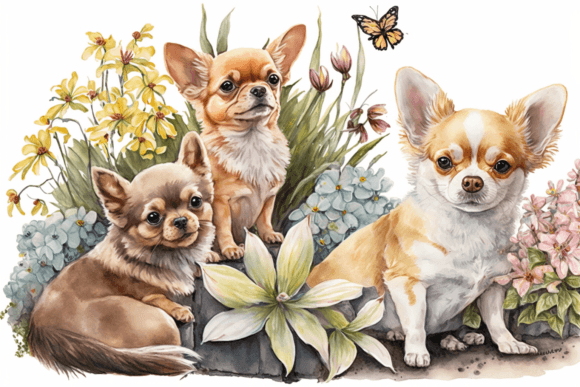
The mood of Spring Watercolor Chihuahua Puppies is undeniably soft, nostalgic, and gentle. Unlike bold, cartoonish dog designs that rely on heavy satin stitch borders, these illustrations lean into a delicate, artistic aesthetic. For an Etsy seller or boutique owner, this visual personality signals "handmade" and "premium" rather than mass-produced. The layout feels organic, which is crucial when placing the design on items like nursery decor or personalized gifts where a rigid, boxy appearance can feel out of place.
From a digitizing perspective, achieving this watercolor look typically requires a strategic mix of fill stitches with varying densities and perhaps some running stitch details to mimic brush strokes. As a reviewer, I appreciate that this design avoids excessive density. Heavy stitch counts can make spring apparel stiff and unwearable. These puppies appear light enough to maintain the drape of a garment while still providing enough coverage to read clearly as a chihuahua rather than an abstract blob of color.
Real-World Application: The Custom Sweatshirt Test
To truly evaluate this design, I mentally placed it in one of my most common client scenarios: creating a custom embroidered sweatshirt for a pet mom’s spring collection. Sweatshirts are a staple for craft businesses, but the fleece backing and stretchy knit fabric present challenges. Spring Watercolor Chihuahua Puppies works exceptionally well here because the softer edges of the design blend naturally with the texture of french terry or fleece. A harsh, high-density logo might cause tunneling on this fabric, but the painterly nature of this design allows for more forgiveness.
I also envision this as a standout tote bag design. Canvas totes are popular for spring markets, and the whimsical nature of these puppies appeals to shoppers looking for unique, functional art. When stitching on canvas, the slight texture of the fabric actually enhances the watercolor effect, making the thread work look more like a painted print. For those selling at craft fairs, having a finished sample on a natural cotton tote helps customers visualize the final product far better than a digital mockup alone.
Navigating Fabric Choices and Stabilization
While versatile, this design demands respect regarding fabric selection. Because watercolor-style embroidery often utilizes lighter stitch density to create shading, it can struggle on highly textured fabrics like terry cloth or deep waffle knits. The subtle color transitions may get lost in the pile. I recommend testing on smooth, stable fabrics first. If you must use textured material for baby embroidery or kitchen towels, consider using a water-soluble topping to keep the stitches crisp and visible.
Stabilizer choice is non-negotiable here. For stretchy fabrics used in custom apparel, a permanent cut-away stabilizer is essential to prevent the delicate shading from distorting over time. Hoop size also matters; always use the smallest hoop possible for the design area to maximize tension stability. If you are adapting this for curved surfaces like caps, proceed with caution. The flat, expansive nature of watercolor illustrations rarely translates well to the severe curve of a hat front without significant distortion or registration errors. Stick to flat goods or structured patches for the best results.
Commercial Viability for Makers and Sellers
For creative entrepreneurs, the value of Spring Watercolor Chihuahua Puppies extends beyond just being cute. It fills a specific niche in the market. Chihuahua owners are passionate, and finding merchandise that isn't overly aggressive or generic is difficult. This design bridges the gap between fine art illustration and commercial embroidery. When listing finished products on Etsy, high-quality photos of the actual stitch-out build customer trust. Buyers want to see how the thread colors interact and whether the design looks professional.
If you are selling digital embroidery files or using this for print-on-demand mockups, ensure your presentation reflects the softness of the design. Avoid harsh, saturated digital previews that misrepresent the tactile reality of thread. Furthermore, always verify the licensing terms before incorporating this into your small shop product line. Confirm whether the license covers physical sales, digital redistribution, or both. Protecting your business means respecting the intellectual property behind the design assets you use.
Critical Designer Notes Before You Stitch
Before committing this design to a final product, run through this practical checklist to ensure professional results:
- Test Stitch is Mandatory: Never stitch directly onto a sellable item without a test run on similar scrap fabric. Check for registration issues between color blocks.
- Evaluate Thread Contrast: Watercolor designs rely on subtle tonal shifts. Ensure your thread colors have enough contrast to define the puppy’s features. If the shades are too similar, the face may disappear.
- Check Small Details: Inspect the eyes and facial features. If they are tiny satin stitches, they may pull out on loose-weave fabrics. You might need to adjust stitch length or add underlay.
- Mockup Reality Check: Create black and white mockups to test value contrast. If the design looks muddy in grayscale, it will lack definition in thread regardless of color.
- Wash Testing: If making baby clothes or tea towels, wash your test swatch. Watercolor fills can sometimes shift or gap after laundering if not properly stabilized.
- Dark vs. Light Fabrics: This design likely relies on the fabric showing through for highlights. Test on dark fabric to see if it needs a white underlay base, otherwise, the colors may look dull.
Final Thoughts on Project Selection
Spring Watercolor Chihuahua Puppies represents a beautiful intersection of artistic illustration and functional embroidery. It is best suited for projects where softness and charm are paramount, such as nursery blankets, spring tote bags, and personalized apparel. By understanding the technical requirements of stitching watercolor styles—specifically regarding stabilization, fabric texture, and thread contrast—you can elevate this design from a simple digital file to a high-value handmade product. Whether you are a hobbyist making a gift or an Etsy seller expanding your spring catalog, approaching this design with technical mindfulness will ensure your finished embroidery honors the delicate beauty of the original artwork.