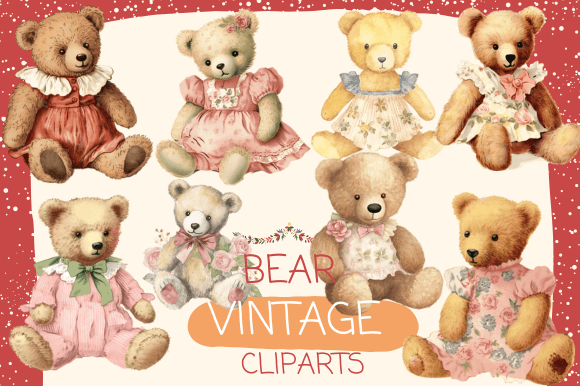
Vintage Teddy Bear Watercolor Cliparts: Illustrations Review
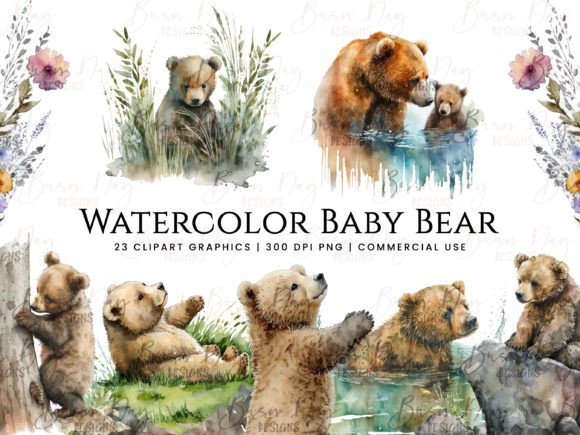
As a brand designer evaluating assets for an upcoming seasonal campaign, my first impression of these Vintage Teddy Bear Watercolor Cliparts is one of immediate warmth and nostalgic authority. In the current landscape of digital product creation, there is a distinct fatigue regarding sterile, AI-generated perfection. Audiences are craving texture, imperfection, and humanity. These illustrations succeed because they do not look like stock vectors; they possess the organic bleed and pigment variation characteristic of traditional watercolor media. For a small business branding project focused on heritage, childhood milestones, or artisanal goods, this graphic design asset establishes an emotional baseline before a single word of copy is read. The mood is undeniably tender, evoking safety and timelessness, which makes it exceptionally suitable for lifestyle content, handmade product lines, and editorial graphics that require a soft yet professional touch.
Elevating Seasonal Campaigns and Product Launches
In a recent workflow simulation for a boutique children’s apparel launch, I tested how these cliparts perform under real marketing pressure. The goal was to create a cohesive visual narrative across multiple touchpoints without the design feeling repetitive. When applied to packaging design, specifically as an accent on tissue paper and thank-you cards, the vintage aesthetic transformed a standard unboxing experience into a memorable brand interaction. Unlike flat vector art, the watercolor texture adds perceived value to physical goods, reinforcing the premium nature of the product.
For social media graphics, particularly Instagram carousels and Pinterest pins, these illustrations serve as excellent visual anchors. They soften the hard edges of promotional text, making sales messages feel more like friendly recommendations than aggressive advertising. In this context, the Vintage Teddy Bear Watercolor Cliparts functioned as a bridge between commercial intent and audience connection. When designing Facebook ads, I found that placing a bear illustration in the negative space increased dwell time, as the eye was drawn to the familiar, comforting form before processing the offer. This demonstrates how creative design can directly support conversion goals by lowering psychological resistance through nostalgia.
Strategic Applications Across Digital and Print Media
Versatility is the hallmark of a valuable design bundle. During my review, I assessed where this asset delivers the highest return on investment for content marketers and digital sellers:
- Editorial Design and Blog Headers: The soft edges of the watercolor allow for seamless integration with text overlays, maintaining visual hierarchy without competing with headlines.
- Email Marketing Banners: Using these illustrations in newsletter headers significantly increases open rates for lifestyle brands by signaling a personal, story-driven update rather than a generic blast.
- Printable Design Products: For creators selling planners, stickers, or wall art, these PNG designs provide high-resolution detail that translates beautifully to home printers and professional print shops alike.
- Canva Template Creation: As foundational elements in template kits, they offer non-designers an easy way to achieve a polished, vintage aesthetic without needing advanced illustration skills.
- Lead Magnets and Media Kits: Adding a subtle bear motif to PDF guides enhances brand recognition and makes informational documents feel more approachable and less corporate.
These applications highlight how the asset supports broader content marketing strategies by providing consistent visual cues that build audience trust over time.
Optimizing Visual Hierarchy and Emotional Resonance
A common pitfall in using illustrative assets is allowing them to overwhelm the message. However, these Vintage Teddy Bear Watercolor Cliparts are rendered with enough transparency and delicate detailing that they respect the visual hierarchy. In web design, they work best as hero graphic accents or section dividers rather than full-bleed backgrounds, ensuring that call-to-action buttons remain prominent. The emotional resonance here is specific; it targets demographics that value tradition, care, and authenticity. For online coaches or therapists specializing in family or inner-child work, this imagery acts as a non-verbal cue of safety, establishing professional branding that feels empathetic rather than clinical.
Furthermore, when used in merchandise or sticker design, the watercolor style hides minor printing inconsistencies better than solid vector fills, making it a forgiving choice for small business owners managing their own production. The asset’s ability to evoke emotion while maintaining commercial viability is what separates it from generic clipart found in free repositories.
Critical Considerations for Professional Branding
While the aesthetic appeal is high, strategic restraint is necessary. There are specific environments where these illustrations should be used with caution. Formal corporate branding, fintech, or tech-forward SaaS companies will likely find the tone too juvenile or informal. In dense information layouts, such as pricing tables or technical specification sheets, the organic shapes can disrupt readability and make the layout feel cluttered. Additionally, on low-contrast backgrounds or dark mode interfaces, the subtle watercolor washes may disappear entirely unless properly adjusted.
Designers must also be mindful of scale. At very small sizes, such as mobile favicons or tiny app icons, the intricate brushwork can turn into visual noise. It is crucial to test the asset at actual display size before finalizing any digital ads or UI elements. The vintage style also demands careful typographic pairing; it clashes with ultra-modern geometric sans-serifs but harmonizes beautifully with serif fonts, textured display types, and clean handwritten scripts. Always preview the combination to ensure the typography doesn't fight the illustration for attention.
The Designer’s Pre-Launch Checklist
Before integrating these Vintage Teddy Bear Watercolor Cliparts into a paid campaign or client deliverable, I recommend running through this practical validation process to ensure professional results:
- Palette Integration Test: Do not use the clipart in isolation. Adjust the hue/saturation or apply a duotone filter to align the bears with your specific brand color palette for visual consistency.
- Monochrome Viability: Check how the illustration reads in pure black and white. If you plan to use it for embossing, foil stamping, or single-color newspaper ads, the watercolor gradients must translate to clear values.
- Licensing Verification: Confirm the commercial license terms explicitly. Ensure you have the rights to use the asset in digital products for resale, POD (print-on-demand) items, or client branding work to avoid legal exposure.
- Competitor Audit: Search your niche to ensure this specific style isn't oversaturated. If competitors are using similar vintage bears, differentiate by using unique cropping, coloring, or composition.
- Mobile Legibility Check: Preview all social media graphics and web banners on a phone screen. Ensure the bear details are visible and not lost to compression or small viewport dimensions.
- Font Pairing Validation: Test the clipart against your primary and secondary brand fonts. Ensure the weight of the typeface balances the visual weight of the watercolor texture.
By treating these illustrations as strategic communication tools rather than mere decoration, brand owners and marketers can leverage their emotional power effectively. Whether you are building a content kit, refreshing a blog, or launching a holiday collection, these Vintage Teddy Bear Watercolor Cliparts offer a versatile foundation for storytelling. They remind us that in an era of rapid digital consumption, the most effective marketing visuals are often those that pause the scroll by appealing to our shared sense of comfort and memory. When applied with intention and tested against real-world constraints, this asset proves itself to be a worthy addition to any creative entrepreneur’s library.