Watercolor African Marigold Illustrations for Branding
Evaluating Organic Warmth for Artisan Skincare Packaging
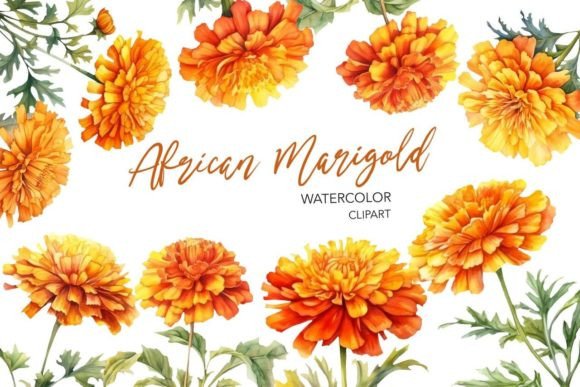
As a brand designer specializing in local business identity, my first impression of the Watercolor African Marigold asset was one of immediate, sun-drenched warmth. When evaluating graphic design assets for a recent client project—a small-batch organic skincare line focused on calendula and herbal infusions—this specific illustration stood out for its authentic texture. Unlike sterile vector art or overly saturated digital flowers, this watercolor rendering possesses a delicate transparency that suggests hand-painted origins. For small business branding, particularly within the handmade business sector, this level of organic imperfection is not a flaw; it is a strategic asset. It communicates a brand personality that is nurturing, natural, and approachable, instantly distinguishing a product from mass-market competitors on a crowded shelf.
The mood created by this Watercolor African Marigold is distinctly rustic yet refined. It avoids being overly cutesy, leaning instead toward a mature, botanical elegance that suits premium pricing. For a local business selling tangible goods like soaps, candles, or artisanal foods, this illustration bridges the gap between friendly accessibility and professional quality. It signals to the customer that the product inside is crafted with care, reinforcing the narrative of slow production and natural ingredients essential to modern commercial design.
Strategic Application Across Product Labels and Marketing Visuals
In practical application, versatility is key for any design asset intended for comprehensive brand identity work. During the development phase for the skincare project, I tested the Watercolor African Marigold across multiple touchpoints to ensure consistency. For product label design, the flower serves as an excellent secondary visual element. Placed subtly behind typography or anchoring the bottom corner of a jar label, it adds color and context without overwhelming mandatory regulatory text. The soft edges of the watercolor style allow it to blend seamlessly into cream or unbleached paper backgrounds, maintaining high readability for ingredient lists while enhancing shelf appeal.
Beyond packaging design, this illustration proved invaluable for promotional materials. We utilized scaled-up versions for social media graphics and website banners, where the intricate brushwork could be fully appreciated. In these digital formats, the Watercolor African Marigold acts as a hero graphic, setting the seasonal tone for autumn launches or harvest-themed campaigns. For physical collateral, such as thank-you cards and hang tags attached to boutique purchases, the asset creates a cohesive unboxing experience. When customers see the same floral motif on the product box, the receipt, and the Instagram feed, it builds stronger brand recognition and trust. This consistency transforms a simple clipart purchase into a foundational pillar of professional branding.
Enhancing Customer Trust Through Visual Hierarchy
A critical aspect of using botanical illustrations in commercial design is understanding visual hierarchy. The Watercolor African Marigold supports business presentation by guiding the viewer’s eye rather than competing for attention. In our case study, the warm orange and yellow tones naturally drew attention to the center of the packaging, where the logo design resided. This emotional connection is vital for local businesses; customers buy stories as much as they buy products. A polished, intentional use of floral art suggests that the business owner pays attention to detail, which subconsciously translates to perceived product safety and quality.
Furthermore, this asset aids in clearer categorization. For businesses with extensive product lines, different floral illustrations can denote different scents or flavors. Using the Watercolor African Marigold specifically for citrus or healing balms helps customers navigate choices quickly. This functional aspect of editorial design turns a decorative element into a user experience tool, improving the overall professionalism of the brand presentation.
Optimal Placement Versus Areas Requiring Design Restraint
While the Watercolor African Marigold is a powerful tool, experienced designers know that restraint is as important as decoration. This asset works best as a packaging accent, a background texture for printable design inserts, or a focal point for seasonal campaign visuals. It shines in contexts where emotion and aesthetics drive the purchasing decision, such as gift shops, florists, and wellness brands. The organic flow of the petals complements serif fonts and handwritten scripts, creating a harmonious typographic pairing that feels established and trustworthy.
However, there are specific scenarios where this illustration should be used with extreme caution. In formal corporate branding or luxury minimalist identities, the inherent playfulness of a marigold may clash with a desired aesthetic of stark sophistication. More critically, avoid placing this detailed watercolor work directly behind small body text or legal disclaimers. The varying opacity of watercolor can reduce contrast ratios, making essential information difficult to read. On crowded product packaging where space is at a premium, a large floral element can make the layout feel chaotic. In these instances, it is better to crop the asset tightly or use it only on secondary surfaces like the back panel or lid, ensuring the primary communication remains unobstructed.
Technical Due Diligence for Commercial Production
Before committing any graphic design asset to print, rigorous technical testing is non-negotiable. My review process for the Watercolor African Marigold included several practical checks relevant to small business owners and packaging designers. First, always verify the commercial license. Just because an illustration is available on a creative marketplace does not automatically grant rights for unlimited physical product sales or trademark usage in logo design. Confirming licensing protects your business from future legal complications.
Next, test the file format suitability. If you are working with PNG design files, inspect the transparency mask closely. Jagged edges or white halos around the petals will look unprofessional on colored packaging. For scalable needs, such as large format posters or flexible web design, check if an SVG design version is available or if the raster resolution is sufficient (minimum 300 DPI at print size). I also recommend printing a physical product mockup before ordering bulk packaging. Screen colors often differ significantly from CMYK print output, especially with vibrant yellows and oranges found in marigolds. Seeing the ink on the actual substrate ensures the colors align with your brand expectations.
- Typography Pairing: Test the illustration beside your chosen brand fonts. Ensure the organic shape of the Watercolor African Marigold balances, rather than fights, your logotype.
- Monochrome Viability: Check how the asset looks in black and white. You may need a single-color version for embossing, foil stamping, or cost-effective thermal labels.
- Competitor Analysis: Compare your usage against similar local businesses. If every honey brand uses marigolds, consider how to style yours differently to maintain distinctiveness.
- Canva Compatibility: If you are using Canva templates, ensure the uploaded asset maintains its quality and transparency when exported for professional printing services.
Ultimately, the Watercolor African Marigold is more than just a pretty picture; it is a functional component of small business branding when applied with intention. By treating this illustration as a strategic element of your visual identity system—testing its legibility, verifying its license, and respecting its stylistic boundaries—you elevate your product from a homemade craft to a competitive market offering. Whether used for a festive holiday label or a year-round signature pattern, this asset offers the warmth and authenticity that modern consumers actively seek in local, handmade products.