Watercolor Biology Clipart: Editorial Illustrations Review
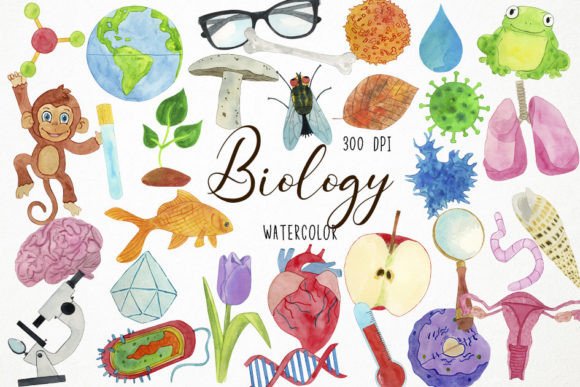
As a digital publisher and blog designer, I evaluate every graphic design asset through the lens of conversion, readability, and brand authority. When I first loaded the Watercolor Biology Clipart, Biologist collection into my staging environment, my immediate assessment was that this set bridges a difficult gap in editorial design. Science content often defaults to sterile stock photography or overly technical vector diagrams. This watercolor collection introduces an organic, hand-painted warmth that immediately signals approachability without sacrificing academic credibility. The mood is distinctly educational yet lifestyle-oriented, making it ideal for niches like botanical skincare, holistic health, nature journaling, and sustainable living. It feels feminine and artistic, but grounded enough for serious content marketing efforts where reader trust is paramount.
Elevating Featured Images and Pinterest Strategy
In my current publishing workflow, the primary challenge is stopping the scroll on visual discovery platforms. The Watercolor Biology Clipart, Biologist assets excel here because they possess high textural contrast against flat digital backgrounds. When designing Pinterest pin templates, these illustrations serve as natural focal points that guide the eye toward the headline. Unlike generic vectors, the watercolor texture adds a layer of perceived value and craftsmanship. I tested several elements as blog graphics for featured images, and the soft edges of the biological forms allow for seamless blending with solid color blocks or subtle gradients. This versatility is crucial for maintaining a consistent visual hierarchy across a content-heavy website. For affiliate marketers in the wellness or education space, these visuals soften the commercial intent of a post, making product recommendations feel more like curated editorial advice rather than aggressive sales pitches.
Application in Digital Products and Lead Magnets
Beyond standard web articles, this asset class shines when repurposed for monetization and list building. As a creator of digital products, I look for assets that translate well from screen to print. These biology illustrations are perfectly suited for printable design projects such as field study worksheets, nature identification guides, and scientific coloring pages. When creating a lead magnet like a "Backyard Biodiversity Checklist," using these specific watercolor elements elevates the perceived quality of the freebie, directly influencing sign-up rates. They also integrate beautifully into Canva template systems for social media carousels or Instagram stories. Because the style is distinct, it helps establish a recognizable brand identity for small businesses that cannot afford custom illustration commissions. Whether used as decorative accents in a digital guide or as the main cover art for an eBook, the clipart supports a cohesive narrative that feels professionally published.
Strategic Placement for Maximum Editorial Impact
To get the most ROI from this creative design purchase, placement strategy matters as much as the aesthetic. Based on my testing within real CMS layouts, these illustrations perform best in specific contexts:
- Website Header: Use isolated botanical or cellular elements as subtle background textures behind navigation bars to add depth without compromising link readability.
- Article Thumbnails: Perfect for category archives in science, gardening, or education blogs where you need instant topic recognition.
- Newsletter Headers: The organic shapes break up the rigid grid of email clients, increasing open rates by signaling a personal, curated update.
- Content Upgrades: Embed smaller icons next to download buttons to visually reinforce the value of the resource being offered.
- Social Media Previews: High-performing as Open Graph images because the watercolor style stands out against the white/grey backgrounds of social feeds.
Conversely, there are environments where I would advise caution. Avoid using these detailed watercolors as tiny mobile thumbnails; the intricate brushwork gets lost at low resolutions, resulting in visual mud. They should also be used carefully in highly corporate or clinical medical contexts where precision is valued over artistry; in those cases, the hand-painted style might inadvertently signal informality. Furthermore, never place these assets on busy photographic backgrounds. They require negative space to breathe. If your site uses a dark mode theme, ensure you have tested the contrast, as traditional white-background watercolors can disappear or look disjointed against deep charcoal or black surfaces.
Publisher Workflow: Technical and Licensing Checks
Before deploying Watercolor Biology Clipart, Biologist to a live production site, run through this practical publisher checklist to ensure performance and compliance. First, always test the asset on both desktop and mobile viewports. What looks elegant on a 27-inch monitor may appear cluttered on a smartphone screen. Second, verify file sizes. Watercolor scans can be heavy; use modern compression tools to reduce load times without destroying the delicate paper texture. A slow site kills engagement regardless of how beautiful the modern design is.
Typography pairing is equally critical. I found these illustrations pair exceptionally well with classic serif fonts for a textbook aesthetic or clean sans-serifs for a contemporary lab feel. Avoid overly decorative script fonts, as they compete with the organic lines of the artwork. Finally, and most importantly for commercial publishers, audit the commercial license. Before using these on monetized affiliate pages, ad-supported blogs, or paid digital downloads, confirm that the licensing terms cover your specific business model. Many creative marketplace assets restrict use in end-products for resale or require attribution. Securing the correct commercial design rights protects your business from future legal friction and ensures your small business branding remains secure. By treating this asset as a strategic component of your publishing infrastructure rather than mere decoration, you transform simple clipart into a powerful engine for reader engagement and brand differentiation.