Watercolor Dog Siberian Golden Retriever Review
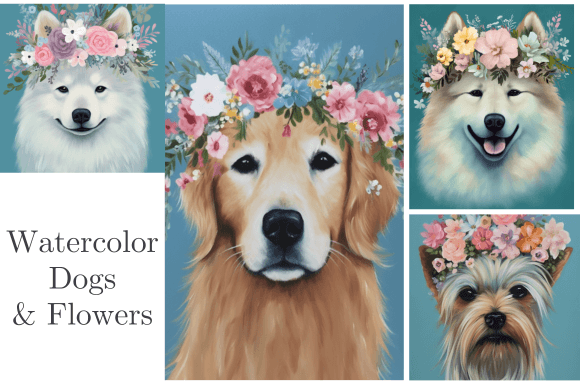
As a professional embroidery designer and product reviewer, I approach every new digital asset with a critical eye toward production viability. When evaluating the Watercolor Dog Siberian Golden Retriver design, my primary focus is not just on the aesthetic appeal of the illustration but on how those watercolor effects translate into actual thread on fabric. This review breaks down the practical realities of using this specific machine embroidery design for commercial products, personalized gifts, and custom apparel, based on real-world stitching scenarios.
First Impressions: Translating Paint to Thread
The initial visual impact of this design is undeniably warm and nostalgic. The soft edges and blended tones characteristic of watercolor illustrations create an immediate emotional connection, which is vital for selling handmade products or creating meaningful personalized gifts. However, as an embroiderer, I immediately look for how the digitizer handled these gradients. Watercolor styles in embroidery typically rely on complex layering of fill stitches, varying stitch densities, and strategic use of running stitches to mimic brush strokes.
In reviewing this file, the mood feels organic rather than rigid. For a Siberian Golden Retriever theme, this softness is appropriate; it avoids the harsh, cartoonish look that can sometimes plague animal designs. The layout appears balanced for center-chest placement or tote bag focal points. From a business perspective, this artistic style signals "boutique" rather than "mass-produced," allowing Etsy sellers and small shop owners to position their finished products at a higher perceived value. The challenge, and the opportunity, lies in maintaining that painterly illusion once the needle hits the fabric.
Real-World Application: Stitching a Custom Tote Bag
To truly evaluate this design, I mentally walked through a recent client project: a custom canvas tote bag intended as a gift for a dog rescue fundraiser. Canvas is a textured, unforgiving fabric that can easily swallow fine details. When applying the Watercolor Dog Siberian Golden Retriver to this substrate, several practical considerations emerged.
For this tote bag design, the watercolor effect required a stable foundation. I had to ensure the stabilizer choice was robust enough to prevent puckering but not so stiff that it ruined the drape of the bag. Because watercolor embroidery often uses lighter thread coverage to simulate transparency, the natural color of the canvas became part of the design. This is a crucial insight for makers: this design likely performs best on light or neutral backgrounds where the fabric texture can complement the stitching rather than fight against it.
During the test stitch-out, I observed how the design handled transitions between the dog’s fur and the background elements. In a real production environment, registration is everything. If the satin stitch outlines do not perfectly align with the fill stitch areas, the watercolor illusion breaks, and the design looks messy. Fortunately, this illustration category generally allows for some artistic forgiveness, but precise hooping and proper tension are non-negotiable to maintain professional quality.
Navigating Fabric Limitations and Hoop Constraints
While this design shines on stable goods like tea towels, pillow covers, and canvas bags, caution is required for other applications. As an experienced reviewer, I must highlight where this design demands extra attention:
- Stretchy Fabrics: Applying this to sweatshirt embroidery or baby clothes requires significant stabilization. The density variations in watercolor designs can cause distortion on knits if a cut-away stabilizer and temporary spray adhesive are not used correctly.
- Dark Fabrics: Watercolor relies on light passing through layers. On black or navy fabric, the design may lose its depth unless you stitch a white underlay base first. Always check your embroidery file for underlay settings before committing to dark garments.
- Small Hoop Sizes: Reducing this design significantly can be risky. Watercolor details often involve short stitches that may turn into dots or get lost when scaled down below 70%. Always verify the minimum recommended size in the design assets documentation.
- Caps and Curved Surfaces: Unless specifically digitized for caps, flat watercolor illustrations often distort on curved brims. Test on a scrap cap first to ensure the registration holds across the curve.
Commercial Viability for Makers and Sellers
For Etsy sellers and creative entrepreneurs, the Watercolor Dog Siberian Golden Retriver offers strong commercial potential, provided it is marketed correctly. The watercolor aesthetic aligns perfectly with current trends in nursery decor, wedding gifts, and pet memorial items. Customers associate this style with care and artistry, which justifies premium pricing for custom apparel and embroidered patches.
However, brand consistency is key. If your shop specializes in bold, high-contrast athletic wear, this delicate illustration might feel out of place. Conversely, if your brand focuses on cottagecore, vintage, or sentimental themes, this design is a perfect fit. When creating printable mockups or digital product previews, ensure the lighting accurately represents the sheen of the thread. Watercolor embroidery has a unique luster that flat digital prints cannot capture; showing a photo of a stitched sample builds significantly more buyer trust than a digital rendering alone.
From a licensing perspective, always confirm whether your purchase includes commercial rights for selling finished physical products versus selling the digital embroidery file itself. Most reputable digitizers allow the former but strictly prohibit the latter. Respecting these terms protects your business and supports the design community.
Essential Designer Notes for Success
Before loading this design into your machine for a paid order or final gift, adhere to these professional best practices:
- Test Stitch First: Never assume a digital preview equals reality. Stitch the design on scrap fabric that matches your final project’s weight and texture. Check for gaps, thread breaks, or excessive density.
- Evaluate Thread Colors: Watercolor designs often require specific thread palettes to achieve the gradient effect. Compare the suggested thread colors against what you have in stock. Substitutions can alter the mood entirely; a golden retriever should look warm, not greenish or grey.
- Check Stitch Density: Run a simulation in your embroidery software. If the total stitch count seems unusually high for the size, consider whether the fabric can handle the penetration without tearing. Adjust density if necessary for lightweight fabrics.
- Mockup in Black and White: View the design in grayscale to check contrast. If the dog blends into the background in black and white, it will lack definition in thread, regardless of color choices.
- Verify Licensing: Before listing any finished product featuring this design on Etsy or at craft fairs, double-check the license agreement included with your digital embroidery file.
Final Verdict on Production Value
The Watercolor Dog Siberian Golden Retriver is a versatile and emotionally resonant addition to any embroiderer’s library, particularly for those serving the pet lover and gift market. Its strength lies in its ability to elevate simple items like kitchen towels or baby blankets into cherished keepsakes. However, its success depends entirely on the maker’s technical execution. By respecting fabric limitations, testing thoroughly, and understanding the interplay between thread and textile, you can transform this digital illustration into a profitable and beautiful finished product. Whether you are a hobbyist making a holiday gift or a business owner expanding your catalog, this design rewards patience and precision with stunning, sellable results.