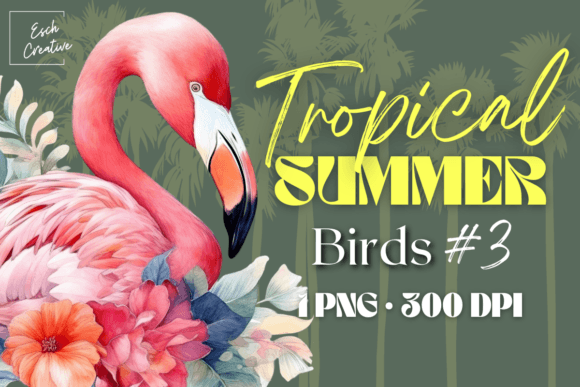
Watercolor Flamingo Tropical Summer Bird Review
When I first loaded the Watercolor Flamingo Tropical Summer Bird into my embroidery software, I wasn't just looking at a pretty picture; I was evaluating a potential bestseller for the upcoming resort wear season. As designers and makers, we know that digital illustrations in the Illustrations category often look stunning on screen but can lose their soul when translated into thread. This specific machine embroidery design, however, strikes a balance between artistic fluidity and structural integrity that makes it a viable candidate for real-world production.
The mood is undeniably vibrant yet relaxed. Unlike rigid, cartoonish flamingo designs that feel dated, this watercolor style relies on soft transitions and organic shapes. For a small shop product or an Etsy seller listing, this aesthetic signals "boutique quality" rather than "mass-produced craft." The visual personality feels curated, which is exactly what modern customers expect when purchasing custom apparel or personalized gifts. It doesn't scream for attention; it invites the viewer to lean in, making it perfect for items where detail matters.
Real-World Application: Stitching the Tote Bag Test
To truly evaluate this design, I mentally placed it on one of my most frequent client requests: a natural canvas tote bag intended for summer markets. This is the ultimate stress test for any tropical bird motif. Canvas has a distinct fabric texture that can swallow fine details, so the stitch density must be sufficient without becoming bulletproof.
In this scenario, the Watercolor Flamingo Tropical Summer Bird performs exceptionally well because the watercolor effect typically utilizes variable density fill stitches rather than solid, heavy blocks. This is crucial for tote bag design work. A solid satin stitch flamingo would make the bag stiff and prone to puckering, but this design’s likely use of textured fills allows the fabric to retain some drape. When I visualize this as a finished product, I see a design that sits flat against the canvas, with thread colors blending to mimic paint washes rather than looking like a patch stuck on top.
For those creating sweatshirt embroidery or baby clothes, this adaptability is equally important. On a fleece sweatshirt, the slight loft of the fabric helps enhance the watercolor illusion, giving the bird a soft, tactile quality. Conversely, on lightweight baby garments, the lack of excessive density prevents the fabric from sagging. This versatility makes it a high-value asset for creative entrepreneurs managing diverse inventory.
Navigating Fabric Challenges and Hoop Limitations
While the design is versatile, professional judgment requires acknowledging where caution is needed. Not every embroidery project is suitable for this level of artistic nuance. If you are planning to use this on dark fabrics, you must verify how the digitizer handled the underlay. Watercolor effects rely heavily on the interplay of light thread colors; without a proper white underlay base on dark material, the vibrant pinks and corals will sink into the background, losing that signature luminous glow.
I also advise testing carefully on stretchy knits or performance fabrics. The organic, flowing lines of a watercolor illustration can distort if the stabilizer choice isn't precise. While a structured cap might seem like a fun idea, the curved surface can flatten the delicate shading gradients that define this style. Unless the design has been specifically digitized for caps with compensation for curvature, stick to flat surfaces like pillow covers, tea towels, or aprons where the art can lay perfectly smooth.
Small hoop sizes present another consideration. If you are resizing this digital embroidery file down significantly for a pocket logo or sleeve accent, inspect the tiny details first. Watercolor edges often involve running stitches or low-density fills to create that feathered look. Scale these down too much, and they may disappear or turn into messy jumps. Always run a sew-out on scrap fabric matching your final project weight before committing to bulk production.
Elevating Perceived Value and Brand Consistency
Why choose this over a simpler outline? Because perceived value drives sales. In the competitive landscape of handmade products and commercial embroidery, customers distinguish between amateur and professional largely through shading and color complexity. The Watercolor Flamingo Tropical Summer Bird offers a sophistication that justifies a higher price point. It tells the buyer that time and artistry went into the creation, even if the machine did the stitching.
For Etsy sellers and boutique owners, consistency is key. This design pairs beautifully with other botanical or tropical assets, allowing you to build a cohesive collection. Imagine a nursery decor line featuring this flamingo alongside matching watercolor palm fronds. The artistic continuity builds brand recognition and trust. Furthermore, when creating printable mockups for digital listings, the soft edges of this design blend more naturally into lifestyle photography than harsh vector graphics, resulting in higher click-through rates.
Critical Designer Notes Before You Stitch
Before adding this to your next holiday embroidery lineup or summer collection, run through this practical checklist to ensure success:
- Verify Licensing: Confirm whether your purchase includes commercial rights for selling finished products versus just personal use. Never assume; always check the specific terms for this embroidery file.
- Check Thread Colors: Watercolor designs often require specific thread blends to achieve the gradient effect. Review the color chart included with the digital embroidery file and compare it to your current inventory. Substitutions can sometimes muddy the intended artistic effect.
- Test Contrast: Create a black and white mockup or grayscale sew-out to ensure the values read correctly. If the bird disappears in grayscale, it lacks sufficient contrast for certain lighting conditions in product photos.
- Stabilizer Strategy: Match your stabilizer to the end-use. Use cutaway for apparel to maintain the integrity of the fill stitches over time, and tear-away only for stable woven goods like kitchen towels. The wrong stabilizer is the enemy of watercolor clarity.
- Inspect Small Details: Zoom in at 100% in your software. Look for areas where satin stitches might be too narrow or fill stitches too sparse. If you spot potential issues, edit them before stitching on expensive blanks.
- Wash Testing: If this is for baby embroidery or frequently washed custom apparel, wash your test sample three times. Watercolor fills can sometimes pull away from outlines after repeated laundering if not properly locked in.
Making the Final Call for Your Shop
The Watercolor Flamingo Tropical Summer Bird is more than just a seasonal novelty; it is a robust design asset capable of elevating your product line. Its strength lies in its ability to translate an artistic illustration into a tangible, high-quality embroidered good without sacrificing durability or wearability. Whether you are crafting a personalized gift for a beach wedding or stocking your shop with resort-ready tote bags, this design brings a professional polish that resonates with buyers.
However, treat it with the respect due to complex artwork. Do not rush the prep work. Respect the fabric limitations, honor the color requirements, and validate the licensing. By approaching this design with a maker’s mindset rather than just a consumer’s eye, you transform a simple digital file into a profitable, beautiful reality. In the world of machine embroidery, that thoughtful execution is what separates a hobbyist from a trusted brand.