4th of July Watercolor Cats: An Embroidery Review
As a professional embroidery designer and product reviewer, I approach every new digital asset with a healthy dose of skepticism. When evaluating 4th of July Watercolor Cats Clipart for potential use in machine embroidery projects, my first question is never about how cute the illustration looks on a screen. Instead, I ask whether those soft watercolor washes and delicate feline features will actually translate into clean, durable stitches on fabric. After spending time analyzing this collection from both a design and production standpoint, I have gathered practical insights for fellow makers, Etsy sellers, and apparel decorators considering these illustrations for their next holiday lineup.
First Impressions: Patriotic Charm Meets Stitch Reality
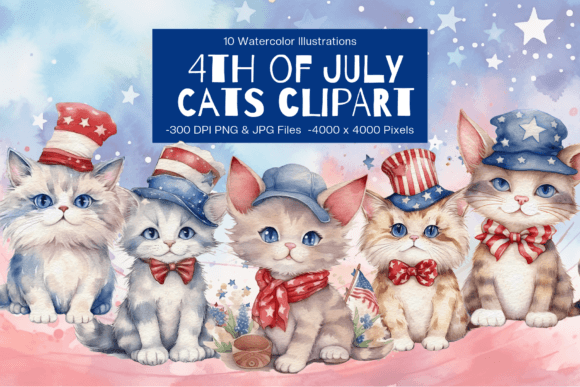
The immediate appeal of this 4th of July Watercolor Cats Clipart lies in its nostalgic, hand-painted aesthetic. Unlike rigid vector art or cartoonish clipart, these illustrations carry a softness that evokes vintage Americana. For a handmade product, this mood is invaluable. Customers browsing Etsy shops or craft fairs are often drawn to items that feel personal and artistic rather than mass-produced. The cats depicted in patriotic gear—whether wearing tiny star-spangled hats or draped in flags—strike a balance between festive and adorable without being garish.
However, as an embroiderer, I immediately look at the color gradients. Watercolor effects rely on subtle blending, which can be challenging to replicate with thread. In my assessment, these designs work best when interpreted as applique designs or mixed-media projects where the watercolor element is printed or sublimated, and the embroidery adds texture and outline. If you intend to stitch the entire image using only thread, expect to manage high stitch density and complex color changes. The artistic value is undeniable, but the technical execution requires planning to ensure the final embroidery project retains the charm of the original illustration.
Real-World Application: Stitching a Custom Tote Bag
To truly test the viability of these assets, I mentally walked through a recent client request: a custom canvas tote bag featuring a patriotic cat for a local library’s summer reading program. This scenario highlights both the strengths and necessary adjustments for using 4th of July Watercolor Cats Clipart in commercial embroidery.
Canvas is a textured fabric, which can sometimes swallow fine details. For this tote bag design, I determined that a pure satin stitch reproduction of the watercolor shading would be too dense and stiff. Instead, I utilized the clipart as a guide for a lighter fill stitch combined with a running stitch outline to mimic the brush strokes. The result was a breathable, flexible design that maintained the artistic integrity of the source material while remaining functional for a bag that needs to fold and carry weight. For custom apparel like sweatshirts or t-shirts, this same principle applies; you must adapt the digital illustration to suit the drape and wearability of the garment. A heavy, dense patch of stitches on a lightweight tee will cause puckering and discomfort, negating the beauty of the design.
Navigating Fabric Choices and Hoop Limitations
Not all substrates play nicely with detailed illustrative styles. Through experience, I have found specific environments where 4th of July Watercolor Cats Clipart requires extra caution:
- Stretchy Fabrics: On knits or performance wear, the fluid lines of watercolor art can distort if the stabilizer is insufficient. Always use a cut-away stabilizer and consider a topping to prevent stitches from sinking into the fabric texture.
- Dark Fabrics: Watercolor aesthetics rely on light passing through layers of color. On navy or black fabric, the design loses its translucency. You may need to stitch a white underlay base first or choose a different color palette entirely to maintain visibility.
- Small Hoop Sizes: Reducing these illustrations to fit a 4x4 hoop often destroys the facial details of the cat. If your machine limits you to smaller hoops, opt for a simplified version of the design or focus on just the patriotic accessories rather than the full feline portrait.
- Curved Surfaces: When placing these designs on caps or sleeves, the natural distortion of the hoop can warp the circular shapes typical in watercolor art. Digitizing specifically for curved surfaces or using flat brim caps is advisable.
Understanding these limitations prevents wasted materials and ensures your finished product meets professional standards. It is better to adapt the design to the fabric than to force a delicate illustration onto an incompatible surface.
Elevating Product Value and Customer Trust
For Etsy sellers and small business owners, the visual presentation of your work directly correlates to perceived value. Using high-quality illustrations like 4th of July Watercolor Cats Clipart signals to buyers that you care about aesthetics. However, consistency is key. If your shop features crisp, bold logos one day and soft, painterly cats the next, it can confuse your brand identity.
I recommend using these designs to create cohesive collections. Pair the embroidered cat with matching typography or complementary patriotic elements to build a recognizable boutique branding style. When customers see a well-executed personalized gift that clearly translates the digital art into quality needlework, trust increases. They understand they are paying for craftsmanship, not just a file transfer. Furthermore, utilizing these illustrations in printable mockups before listing can help gauge interest and refine your marketing visuals without committing to physical samples for every variation.
Essential Designer Notes for Successful Execution
Before loading any embroidery file derived from this clipart collection, run through this practical checklist. These steps have saved me countless hours of frustration and re-hooping:
- Test on Scrap Fabric First: Never stitch a new interpretation of watercolor art directly onto a final product. Test on the exact fabric type you plan to use to check for puckering and coverage.
- Verify Licensing: Confirm whether the license allows for commercial embroidery of finished products versus digital redistribution. Protecting your business means respecting intellectual property terms.
- Check Thread Color Contrast: View your thread selection in natural light. Watercolor shades can look muddy if the thread colors lack sufficient contrast against each other or the base fabric.
- Review Stitch Density: Ensure the digitized version does not exceed safe density limits for your target fabric. Adjust pull compensation to account for the push-and-pull effect of fill stitches.
- Inspect Small Details: Zoom in on the cat’s eyes and whiskers. If they are too small to stitch cleanly, simplify them. Badly stitched details ruin the overall impression faster than anything else.
- Compare Backgrounds: Test the design on both light and dark backgrounds digitally and physically. What works on white cotton may disappear on denim.
By treating 4th of July Watercolor Cats Clipart as a foundational inspiration rather than a plug-and-play solution, you elevate your work from simple crafting to professional textile design. Whether you are creating baby embroidery keepsakes, holiday decor, or commercial embroidery merchandise, the success lies in respecting both the artistry of the illustration and the physics of the needle. Take the time to understand the interplay between the digital image and the physical stitch, and your patriotic feline creations will undoubtedly stand out in a crowded marketplace.