Butterflies Watercolor Sublimation: An Embroidery Review
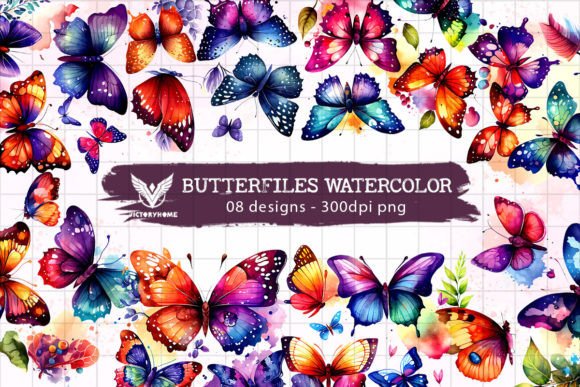
As a professional designer who bridges the gap between digital assets and tangible textiles, I approach every new file with a specific question: will this actually translate to thread? When evaluating Butterflies Watercolor Sublimation, my initial assessment focuses on the transition from screen to stitch. This design falls under the Illustrations category, which often implies a painterly, organic aesthetic rather than rigid vector lines. For embroidery designers and small business owners, this distinction is critical. Watercolor styles rely on color blending and soft edges, qualities that behave very differently in a machine embroidery design compared to standard clip art.
My first impression of Butterflies Watercolor Sublimation is that it carries a distinctively soft, romantic mood. The layout suggests movement rather than static symmetry, which is excellent for creating visual interest on finished products. However, as an experienced reviewer, I immediately look at the detail level. In sublimation, gradients are seamless; in embroidery, they require careful digitizing to avoid excessive density or muddy colors. This design feels like it belongs on items meant to be cherished or gifted, such as nursery decor or boutique apparel, rather than high-utility industrial gear. It has a visual personality that speaks to the handmade product market, specifically appealing to customers looking for personalized gifts with an artistic touch.
Real-World Application: The Custom Tote Bag Test
To truly judge the viability of Butterflies Watercolor Sublimation, I mentally placed it into a real-life production scenario: creating a premium canvas tote bag for a spring craft fair. Tote bags are a staple for any Etsy seller or craft business because they offer a large, flat stitching area perfect for showcasing intricate illustrations. For this project, I envisioned the butterfly motif positioned slightly off-center to allow space for custom monogramming.
In this context, the watercolor aesthetic serves as a major value-add. A standard cartoon butterfly might make the bag look juvenile, but the watercolor interpretation elevates it to a boutique accessory. When considering sweatshirt embroidery or baby clothes, this softer style also reduces the risk of the design feeling too heavy or abrasive against sensitive skin. For commercial embroidery projects targeting the wedding or bridal shower niche, this design provides the delicate elegance required without needing extensive customization. It fits naturally into listings for holiday embroidery or spring collections where buyers are seeking fresh, organic themes. As a digital product seller offering printable mockups, the artistic nature of this file allows for versatile marketing materials that highlight texture and color depth, increasing buyer engagement before they even purchase the embroidery file.
Navigating Fabric Texture and Hoop Limitations
While the aesthetic is strong, practical application requires caution. Watercolor-style machine embroidery designs can be unforgiving on certain substrates. If you plan to use Butterflies Watercolor Sublimation on textured fabrics like linen or terry cloth, you must account for how the fabric texture interacts with the stitch density. The "painterly" fill stitches used to create watercolor effects can sometimes get lost in deep fabric weaves, making the design look incomplete or patchy.
I would advise extreme care when using this design on stretchy fabrics or thin knits. The saturation required to mimic watercolor often results in higher stitch counts. Without the proper stabilizer and hooping technique, this could cause puckering or distortion, ruining the garment. Similarly, curved surfaces like caps present a challenge. The fluid shape of butterflies may warp if the cap's curvature isn't compensated for in the digitizing. Always verify the hoop size requirements before purchasing; resizing complex illustration files can degrade stitch quality, particularly in gradient areas. For dark fabrics, ensure the design includes adequate underlay or white base layers, as watercolor transparency does not translate well directly onto black or navy material without a foundation.
Elevating Brand Value Through Artistic Stitching
Using high-quality illustrations like Butterflies Watercolor Sublimation directly impacts perceived product value. In the saturated market of custom apparel and embroidered patches, differentiation is key. Customers associate detailed, artistic rendering with professionalism and care. When a client receives a tea towel or pillow cover featuring this design, the softness of the image signals that the maker selected their design assets intentionally.
This attention to detail builds customer trust. It shows that your small shop product isn't just a generic template but a curated piece of art. For Etsy sellers, this translates to better reviews and repeat business. The design’s versatility also aids brand consistency; it works equally well on a baby blanket and a kitchen apron, allowing you to expand your product line while maintaining a cohesive aesthetic. Furthermore, the giftability factor is high. Personalized gifts featuring artistic butterfly motifs perform exceptionally well during peak seasons because they feel unique and thoughtful rather than mass-produced.
Critical Designer Notes for Successful Execution
Before running Butterflies Watercolor Sublimation on a final product, adhere to these professional best practices to ensure quality:
- Test on Scrap Fabric First: Never stitch a complex illustration directly onto a sellable item without a test run. Check how the watercolor fills render on your specific fabric weight.
- Analyze Stitch Density: Inspect the file in your editing software. If the density is too high for lightweight fabrics, consider reducing it or adding a lighter stabilizer to prevent stiffness.
- Verify Thread Colors: Watercolor relies on shading. Ensure your thread palette matches the digital preview. Test thread color contrast against both light and dark backgrounds to maintain visibility.
- Check Licensing Terms: Before listing any finished product or digital derivative, confirm whether the license permits commercial embroidery. Protect your craft business by understanding usage rights.
- Evaluate Small Details: Zoom in to inspect tiny elements. If running stitches are too short or satin stitches are too narrow for your machine's tolerance, edit them to prevent thread breaks or nesting.
- Mockup Realistically: Use printable mockup templates that show fabric texture. Flat digital previews can be misleading for watercolor styles; customers need to see how the ink-to-thread translation looks in reality.
- Stabilizer Selection: Match your stabilizer to the end-use. Wash-away stabilizers are often best for preserving the soft hand-feel of watercolor designs on apparel, whereas cut-away offers better support for dense tote bag designs.
Final Verdict for Makers and Sellers
Butterflies Watercolor Sublimation represents a strong asset for creative entrepreneurs who understand the nuances of translating digital art into physical form. It is not merely a graphic; it is a potential centerpiece for a diverse range of handmade products. Whether you are producing custom apparel, nursery decor, or seasonal merchandise, this design offers the artistic sophistication that modern buyers crave. By respecting the technical requirements of stitch density, fabric choice, and stabilization, you can leverage this illustration to create stunning, professional-grade embroidery that stands out in a crowded marketplace. Always prioritize testing and quality control to ensure the final stitched result honors the beauty of the original artwork.