Colorful Feather Watercolor Sublimation Review
As an embroidery digitizer and product reviewer, I approach every new machine embroidery design with a healthy dose of skepticism. We have all downloaded files that look stunning on screen but turn into thread nests or distorted shapes once the needle hits the fabric. When evaluating the Colorful Feather Watercolor Sublimation asset, my primary focus was not just its aesthetic appeal as a digital illustration, but its structural integrity when translated into physical stitches. This design sits in the Illustrations category, suggesting an artistic origin rather than a purely technical one, which often requires careful adaptation for textile use.
First Impressions and Artistic Translation
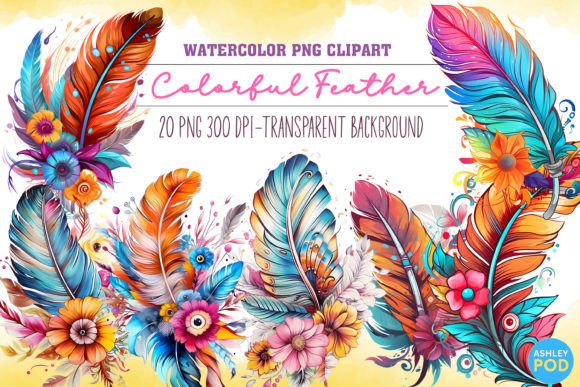
The initial visual impact of Colorful Feather Watercolor Sublimation is undeniably soft and organic. The watercolor style implies fluid gradients and delicate edges, which presents a unique challenge for embroidery. Unlike vector art with hard lines, watercolor relies on blending. In a real-world studio setting, this means the embroidery file must utilize complex fill stitch patterns to mimic that painted effect without creating excessive bulk. My first impression was that this design carries a bohemian, nature-inspired mood that feels current and marketable. It avoids the stiff, cartoonish look of generic clipart, offering instead a sophisticated texture that appeals to buyers looking for elevated handmade products.
However, translating watercolor to thread requires managing expectations. The "sublimation" aspect of the title suggests this asset may have been originally intended for heat transfer. For us embroiderers, this serves as a reminder to check if the file has been specifically redigitized for needle and thread. If you are using this for mixed media, where sublimation provides the base color and embroidery adds texture, the result can be spectacular. If relying solely on thread, ensure the stitch density is calibrated to prevent gaps while maintaining the softness of the feather motif.
Real-World Application: The Custom Tote Bag Test
To truly judge the viability of Colorful Feather Watercolor Sublimation, I mentally prototyped it for a specific client project: a custom canvas tote bag design for a boutique wedding favor line. Wedding clients demand perfection, and the item needs to photograph well for social media while surviving actual use.
In this scenario, the feather design serves as a central focal point. Canvas is a forgiving fabric, but it has a coarse weave that can swallow fine details. I evaluated how the design’s edges would interact with the fabric texture. A watercolor edge is inherently blurry; in embroidery, this translates to varying column widths or specialized running stitches at the perimeter. For the tote bag, I determined that this design works best when scaled to at least 4x6 inches. Shrinking it down to a pocket-sized logo would likely cause the intricate color blending to become muddy, losing the very detail that makes the illustration special.
Furthermore, considering the end user, the design needed to feel gender-neutral yet elegant. The colorful palette of this specific asset allows for versatile thread colors matching. I could see pairing this with natural unbleached canvas for an earthy vibe or white cotton for a crisp, clean bridal look. The artistic flow of the feather also directs the eye, making it an excellent companion for monogramming. Placing a couple's initials nestled within the curve of the feather creates a cohesive composition that increases the perceived value of the personalized gift.
Navigating Fabric Limitations and Hoop Constraints
While the design shines on stable substrates like canvas or denim, caution is required for other applications. As an experienced designer, I must highlight where Colorful Feather Watercolor Sublimation might struggle. Stretchy fabrics, such as lightweight jersey knits used for baby onesies or summer tees, pose a risk. The watercolor effect typically demands higher stitch counts to achieve gradient shading. On unstable knit fabric, this density can cause puckering or distortion, even with proper stabilizer.
If you intend to use this for baby embroidery or custom apparel on stretch materials, I strongly recommend testing a modified version with reduced density or using a cutaway stabilizer with adhesive spray. Alternatively, consider using this design as an applique design. Stitching the feather shape onto a pre-cut piece of printed cotton or felt can reduce the stitch count significantly while preserving the colorful, artistic aesthetic. This hybrid approach protects the garment's drape and ensures the finished product remains comfortable to wear.
Dark fabrics also present a consideration. Watercolor designs often rely on light passing through layers of color to create luminosity. On black or navy fabric, the design may appear flat unless you stitch a white underlay base first. Always run a test sew-out on your target fabric color before committing to a full production run for your Etsy seller inventory or small shop product line.
Commercial Viability and Brand Consistency
For creative entrepreneurs and craft business owners, consistency is key. Does Colorful Feather Watercolor Sublimation align with a professional brand identity? The answer lies in its versatility. Because it is an illustration rather than a rigid icon, it bridges the gap between casual craft and boutique merchandise. It performs exceptionally well on sweatshirt embroidery, where the textured fabric complements the painterly stitch work. It is equally at home on nursery decor, pillow covers, and holiday gifts.
From a sales perspective, this design supports high-quality printable mockup creation. The artistic nature of the feather allows for beautiful digital previews that attract buyers before they even see the physical stitch-out. However, trust is built on accuracy. Ensure your listing photos reflect the true texture of the embroidery. If selling the digital embroidery file itself, provide clear notes on recommended fabrics and stabilizers to reduce customer support queries. Professionalism in presentation directly correlates to buyer engagement and repeat business.
Essential Designer Notes for Success
Before loading Colorful Feather Watercolor Sublimation into your machine for a commercial or personal project, adhere to these practical guidelines:
- Verify Licensing: Always confirm whether your purchase includes commercial rights for selling finished items or if it is restricted to personal use. Never assume; check the specific terms provided by the digitizer.
- Test Stitch Density: Run a sew-out on scrap fabric identical to your final project. Check the back of the embroidery; if it feels like armor, the density is too high for wearable items.
- Stabilizer Selection: For watercolor-style fills, a medium-weight cutaway stabilizer usually offers better support than tear-away, preventing the design from pulling away from the fabric over time.
- Thread Contrast Check: View your thread palette in natural light. Watercolor effects depend on subtle color shifts; poor lighting can lead to choosing threads that look identical when stitched out.
- Hoop Size Confirmation: Do not resize this design beyond 80% or 120% of its original size without re-digitizing. Significant resizing alters stitch spacing and can ruin the watercolor illusion.
- Mixed Media Potential: Consider combining this embroidery with vinyl or sublimation if the file supports it, reducing stitch count while maximizing color vibrancy for items like caps or patches.
Final Verdict for Makers
Colorful Feather Watercolor Sublimation is a robust asset for the modern embroiderer who values artistry alongside technical precision. It offers a refreshing departure from standard bold-line designs, providing a pathway to create nuanced, high-value goods. Whether you are crafting a signature embroidered patch, designing holiday embroidery collections, or expanding your design assets library, this illustration holds significant potential. Success lies in respecting the translation from screen to stitch—test thoroughly, stabilize appropriately, and let the organic beauty of the design elevate your next embroidery project.