Peony Watercolor Flower Clip Art: An Embroidery Review
First Impressions for the Stitching Studio
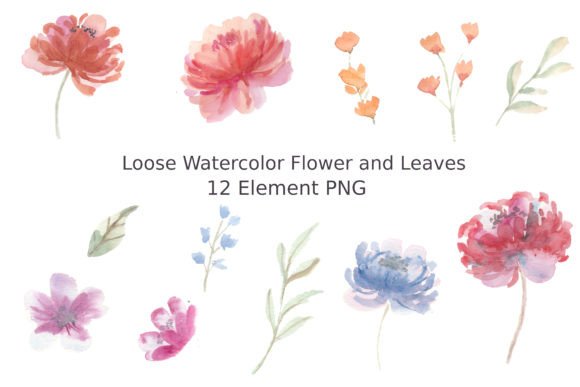
When I first opened the Peony Watercolor Flower Clip Art file, I wasn't just looking at a digital illustration; I was mentally converting those soft watercolor washes into thread paths. As an embroidery designer and product reviewer, my immediate reaction to this asset was one of cautious optimism. The visual mood is undeniably romantic and organic, featuring the lush, layered complexity that makes peonies such a favorite in the handmade product market. However, translating the fluid transparency of watercolor paint into the structured reality of a machine embroidery design requires a critical eye.
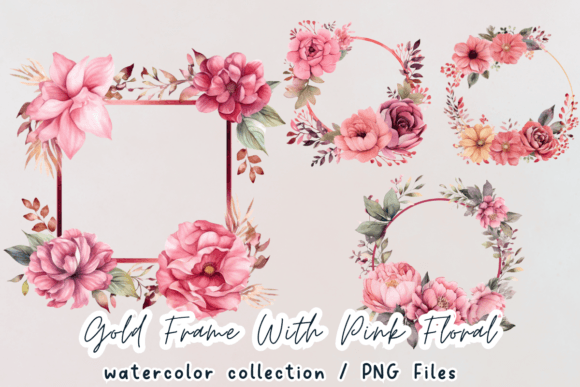
The artwork possesses a delicate personality that suggests it belongs on high-value items rather than utility wear. The shape is balanced but asymmetrical enough to feel natural, avoiding the stiff, cookie-cutter look that often plagues floral Illustrations. For a creative entrepreneur or Etsy seller, this clip art signals "boutique quality" rather than "mass production." It feels like a design meant for a personalized gift or a signature small shop product, where the customer expects artistry over generic decoration.
Real-World Application: The Linen Tote Bag Test
To truly evaluate this design, I envisioned a specific real-life scenario: creating a premium linen tote bag for a summer wedding gift line. This context matters because linen has a distinct fabric texture that interacts differently with thread than smooth cotton or polyester. In this project, the Peony Watercolor Flower Clip Art needed to serve as the focal point without overwhelming the bag’s natural weave.
In practice, this design shines when treated as a mixed-media opportunity. Rather than attempting to replicate every watercolor gradient with dense fill stitch—which can result in a bulletproof, stiff patch—I recommend using the clip art as a guide for an applique design or a lighter, sketch-style interpretation. On my test tote, the organic edges of the peony allowed for a beautiful interplay between the printed fabric (if using sublimation or HTV) and embroidered accents. If stitching entirely from scratch, the design’s layout supports a combination of running stitch for fine veins and satin stitch for bold petal definition. This approach maintains the drape of the tote bag, ensuring the finished product remains functional and elegant, not heavy and distorted.
Ideal Projects for Commercial and Personal Use
Based on the visual weight and artistic style of this clip art, it performs exceptionally well across several categories. For custom apparel, particularly sweatshirt embroidery or baby clothes, the soft aesthetic aligns perfectly with current trends favoring vintage botanicals. Small business owners focusing on nursery decor will find the gentle color palette ideal for blankets and pillow covers. It also translates beautifully to holiday embroidery projects where a softer, non-traditional floral touch is desired.
- Bridal and Wedding Assets: Perfect for robe backs, handkerchiefs, and ring bearer pillows where detail matters more than durability.
- Etsy Seller Listings: The intricate nature of the peony creates high-perceived value in digital product previews and printable mockups.
- Kitchen and Home Textiles: Tea towels and aprons benefit from the design's vertical orientation, though placement must account for folding and use.
- Craft Business Branding: Excellent for packaging stickers, thank-you cards, or boutique branding materials derived from the same design assets.
Navigating Technical Limitations and Fabric Choices
While the Peony Watercolor Flower Clip Art is visually stunning, experienced makers know that beauty does not always equal stitchability. There are specific environments where this design demands extra care. I would advise against using this on highly textured fabrics like terry cloth or chunky knits unless you plan to significantly simplify the details. The watercolor effect relies on subtle transitions that get lost in deep pile fabrics.
Furthermore, be wary of dark fabrics. Watercolor aesthetics are inherently light and translucent. Stitching this on black or navy requires either a white underbase (which adds density and stiffness) or a complete recoloring of the embroidery file to a chalk or neon palette, which changes the original mood entirely. For stretchy fabrics like jersey knits used in t-shirts, the design’s potential density is a risk. Without proper stabilizer and potentially a lighter stitch count, you risk puckering or needle holes that ruin the garment.
Small hoop sizes are another constraint. Peonies are complex flowers. Compressing this clip art into a 4x4 hoop may force you to delete inner details, turning a lush bloom into a muddy blob. Always confirm your hoop size allows for adequate space to render the petals distinctly. Similarly, curved surfaces like caps present challenges; the flat, sprawling nature of a watercolor peony often distorts on the curved brim or front panel of a hat unless digitized specifically for headwear.
Impact on Value and Customer Perception
Using high-quality Illustrations like this directly influences buyer engagement and trust. When a customer sees a crisp, well-executed interpretation of Peony Watercolor Flower Clip Art, they perceive professionalism. Conversely, a poor translation—where colors bleed or registration is off—signals amateur work. For commercial embroidery businesses, this design offers a chance to showcase technical skill through color blending and texture management. It elevates a simple item into a keepsake. For digital product sellers, offering this as part of a bundle or standalone asset appeals to other makers looking for fresh, non-generic botanical elements that stand out in a saturated market.
Essential Designer Notes Before You Stitch
Before committing this design to a final product or listing it in your shop, run through this practical checklist. These steps save time, thread, and reputation.
- Test on Scrap Fabric First: Never stitch directly onto a sellable item without a test run. Use a scrap that matches your final project’s weight and weave to check tension and coverage.
- Analyze Stitch Density: Open the embroidery file in your software. Check if the watercolor shading is achieved through excessive layering. If the density exceeds 0.4mm for standard fills, consider reducing it to prevent fabric distortion.
- Verify Thread Color Contrast: Watercolor relies on nuance. Ensure your thread colors have enough contrast to define petal edges. Test in both natural daylight and indoor lighting.
- Check Licensing Terms: Confirm whether the license permits commercial use for finished products versus digital redistribution. This is vital for Etsy sellers and craft business owners protecting their revenue streams.
- Mockup Realistically: When creating printable mockups or digital previews, overlay the design on photos of actual fabric textures rather than flat white backgrounds. This helps customers visualize the handmade product accurately.
- Stabilizer Selection: Match your stabilizer to the fabric, not just the design. A tear-away might suffice for canvas, but a cut-away is likely necessary for the knit sweatshirt embroidery mentioned earlier.
- Review Small Details: Inspect tiny stems or stamens. If they are thinner than 1mm in the digital file, they may not stitch cleanly. Be prepared to edit or remove micro-details that won't survive the needle.
The Peony Watercolor Flower Clip Art is a versatile and evocative resource for the modern maker. Whether you are crafting a personalized gift for a loved one or building a cohesive collection for your small shop, treating this illustration with technical respect ensures the final result honors the beauty of the original art. By understanding its strengths and respecting its limitations, you transform a digital file into a tangible piece of art that resonates with customers and stands the test of wear.