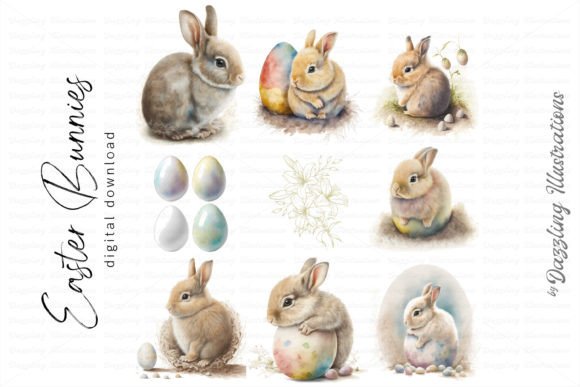
Reviewing Cute Watercolor Easter Rabbits Eggs
As an embroidery designer who has digitized and stitched out countless seasonal assets, I approach every new machine embroidery design with a healthy dose of skepticism. The market is flooded with generic holiday graphics, but finding a true Illustrations style that translates beautifully from screen to fabric is a different challenge entirely. When I first loaded the Cute Watercolor Easter Rabbits Eggs file into my software, I wasn't just looking at pretty pastel colors; I was evaluating stitch paths, density maps, and commercial viability for my upcoming spring collection.
This review breaks down my practical experience testing this design for real-world production. Whether you are an Etsy seller planning a seasonal drop or a hobbyist making a personalized gift, understanding how this artwork behaves under the needle is crucial before you commit thread to fabric.
First Impressions: Soft Aesthetics Meet Technical Reality
The immediate appeal of Cute Watercolor Easter Rabbits Eggs lies in its organic, hand-painted aesthetic. Unlike rigid vector art, watercolor styles rely on subtle color blending and irregular edges. In digital form, this looks effortless. In embroidery, however, achieving that "soft" look requires precise engineering. My initial inspection of the embroidery file revealed a thoughtful balance between fill stitch areas and open space. The design avoids the common pitfall of bulletproof density, where too many stitches stacked together create a stiff, plastic-like patch on the garment.
The visual personality here is undeniably nostalgic and gentle. It evokes a sense of vintage storybook charm rather than cartoonish brightness. For a craft business targeting the nursery decor or boutique apparel niche, this mood is a significant selling point. It signals quality and intentionality. However, because watercolor effects often use varying stitch lengths and directional fills to mimic brush strokes, I paid close attention to how these transitions would render on textured fabrics versus smooth ones.
Real-World Test: Stitching a Spring Tote Bag
To truly evaluate this tote bag design, I moved beyond the test swatch and committed to a functional project. I selected a natural cotton canvas tote, a staple item for small shop product lines during the spring season. Canvas can be unforgiving; it highlights registration errors and puckering if the stabilizer choice is wrong or the stitch density is too high.
I hooped the canvas with a medium-weight cutaway stabilizer to support the watercolor fill areas without distorting the fabric grain. As the machine ran through the Cute Watercolor Easter Rabbits Eggs sequence, I observed excellent registration. The layers aligned cleanly, which is vital when multiple thread colors overlap to create gradient effects. The result was not a flat, shiny block of thread, but a textured image that retained the artistic integrity of the original illustration.
For fellow makers and apparel decorators, this performance on canvas suggests the design is robust enough for heavier substrates like denim jackets or structured pillow covers. The stitch-out maintained the delicate appearance of watercolor while possessing the structural integrity needed for a finished product that will be handled, washed, and used.
Best Applications for Commercial and Personal Projects
Based on my testing, Cute Watercolor Easter Rabbits Eggs shines brightest in specific applications. If you are curating inventory for an online shop or preparing for a craft fair, consider these high-value placements:
- Baby Embroidery: The soft aesthetic is perfect for onesies, bibs, and nursery blankets. Ensure you use a tear-away or wash-away stabilizer to keep the back soft against sensitive skin.
- Sweatshirt Embroidery: Placed on the left chest or centered on a crewneck, this design elevates basic fleece into boutique-tier custom apparel. The watercolor texture pairs exceptionally well with heathered fabrics.
- Holiday Embroidery Gifts: This isn't just for Easter baskets. The timeless illustration style works for tea towels, linen napkins, and aprons that serve as hostess gifts.
- Digital Product Previews: For those selling design assets or printable mockup templates, this artwork provides a high-engagement visual anchor that demonstrates versatility across different garment types.
The design’s versatility makes it a strong asset for commercial embroidery businesses looking to maximize the ROI of a single digital embroidery file across multiple product categories.
Navigating Fabric Limitations and Hoop Constraints
While Cute Watercolor Easter Rabbits Eggs is versatile, it demands respect for material limitations. Watercolor-style embroidery relies on visual nuance, which can be lost on certain surfaces. I advise caution when using this design on highly textured terry cloth or thick pile fabrics unless you employ a water-soluble topping to prevent stitches from sinking. On dark fabrics, verify that the thread colors have sufficient contrast; watercolor pastels can disappear against navy or black backgrounds unless outlined or backed with white underlay.
Regarding hoop size, always check the specific dimensions of your file before purchasing or stitching. Scaling watercolor designs down significantly can cause detail loss, as the complex fill stitches may merge. Conversely, scaling up too much might expose gaps in the coverage if the digitizer didn't account for expansion. Always confirm the native size matches your intended application.
Stretchy knits require extra vigilance. While the design performed well on my canvas tote, applying it to a lightweight jersey t-shirt would require a fusible no-show mesh stabilizer and potentially a basting box to prevent shifting. Never skip the test stitch on stretchy materials; the tension required for watercolor fills can distort thin knits if not properly supported.
Designer Notes: Ensuring Professional Results
Before adding Cute Watercolor Easter Rabbits Eggs to your production lineup, run through this professional checklist to protect your brand reputation and minimize waste:
- Verify Licensing: Before selling any handmade product featuring this design, confirm the license terms. Some files allow for physical product sales but prohibit sharing the embroidery file itself or using it in digital-only products.
- Thread Color Matching: Watercolor effects depend heavily on specific shade transitions. Check if the designer provides a thread conversion chart. Substituting colors without testing can flatten the 3D effect of the illustration.
- Test on Scrap Fabric First: Never stitch directly onto a final garment without a prior test. Use a scrap of the exact same material and stabilizer combination you plan to use for the embroidered patch or finished item.
- Check Small Details: Inspect any fine lines or facial features. If they are rendered as running stitch or thin satin stitch, ensure they are visible and durable enough for the intended end-use, especially for children's items.
- Mockup Validation: Create both light and dark background mockups to see how the design translates visually for customers. A printable mockup that accurately represents the stitch texture builds buyer trust far better than a flat digital rendering.
Final Verdict on Value and Versatility
In my professional assessment, Cute Watercolor Easter Rabbits Eggs is more than just seasonal filler; it is a technically sound applique design or fill-based illustration that respects the medium of embroidery. It balances artistic softness with mechanical reliability, making it suitable for both the meticulous hobbyist and the volume-focused Etsy seller.
The design succeeds because it understands that embroidery is a tactile art form. It doesn't try to force a photograph onto fabric; instead, it interprets the watercolor style through thread-appropriate techniques. For makers building a spring collection, this asset offers a reliable path to creating custom apparel and gifts that feel handmade, high-end, and genuinely delightful. Just remember to respect the fabric constraints and validate your stabilizer choices, and this design will likely become a recurring favorite in your seasonal rotation.